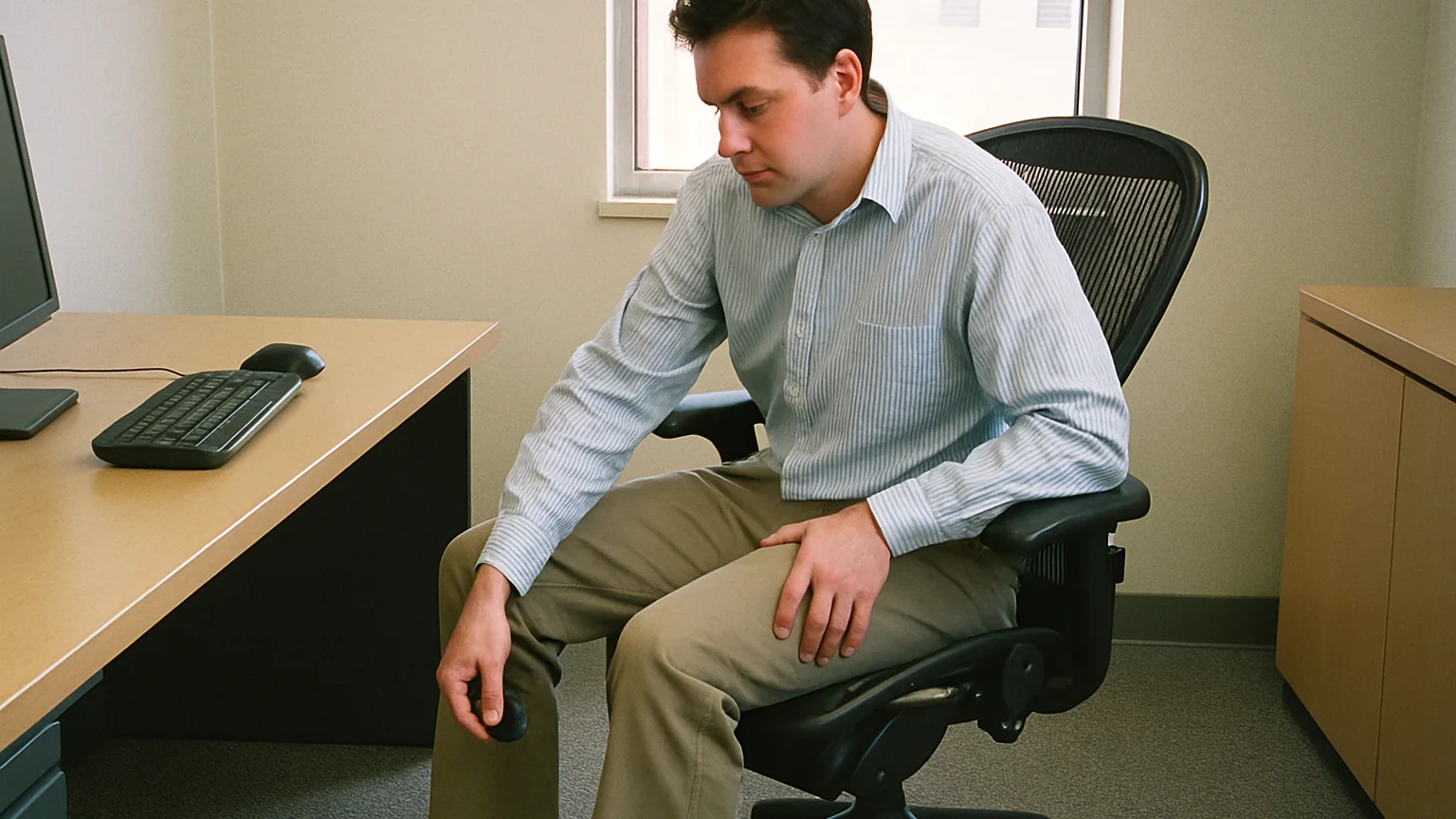
Seat Height and Desk Fit: The Quiet Detail That Changes the Whole Chair
Last updated 2026-05-23
The easiest mistake with a mesh office chair is shopping as if the chair only needs to look technical. In daily use, the quieter details matter more: where the back curve lands, whether the seat edge feels calm behind the knees, how the arms fit under the desk, and whether the chair lets you change position without thinking about it.
If you are comparing a full shortlist now, keep LeStallion's best ergonomic mesh office chair roundup open alongside this checklist, then use the notes below to judge fit, support, and room layout with a little more patience.
This guide is written for normal home offices, spare bedrooms, shared desks, and small work corners. It does not claim lab testing or medical expertise. Instead, it gives an editorial checklist you can use while comparing product pages, reviews, dimensions, and return policies.
1. Start with the fit, not the feature list
A long list of adjustments sounds reassuring, but the first question is simpler: can the chair meet your body where your desk already is? Seat height range, seat depth, and backrest shape should be checked before extras like headrests or polished aluminum bases.
- Measure your desk height and compare it with the chair's listed seat range.
- Look for seat depth information if you are shorter, taller, or sensitive behind the knees.
- Check whether the lumbar support is adjustable or fixed into the back frame.
- Read return terms before choosing a chair you cannot try first.
2. Use the room as part of the decision
A chair can be comfortable and still feel wrong if it dominates a small room. Mesh chairs with open backs often look lighter than padded executive chairs, but wide armrests, tall headrests, and large bases can still crowd the walking path.
3. Compare support over a full work block
Good support should feel boring in the best way. If you constantly notice the lumbar pad, the seat lip, or the arm angle, the chair may be asking you to adapt to it instead of supporting your routine.
4. Think about heat, clothing, and seasonality
Mesh is popular because airflow helps during long seated sessions. Still, very firm mesh can feel less forgiving than a cushion, especially in cooler rooms or during relaxed evening use. A balanced choice considers breathability and pressure comfort together.
5. Watch for common buying mistakes
- Choosing the tallest-looking chair without checking desk fit.
- Assuming all mesh seats feel the same.
- Ignoring armrest width in a narrow desk setup.
- Buying a headrest model when the headrest is not adjustable enough.
- Skipping warranty and replacement-part details.
6. A simple buying framework
Shortlist chairs that pass three filters: body fit, room fit, and routine fit. Body fit means the dimensions make sense. Room fit means the chair will not overwhelm the workspace. Routine fit means it suits the way you actually sit, shift, write, type, and take calls.
FAQ
What matters most in a mesh office chair?
Fit matters first: seat height, seat depth, lumbar position, and armrest range. Materials and styling come after those basics.
Is a mesh seat better than a padded seat?
Mesh can breathe better, while padding can feel softer. The better option depends on tension, support, and how long you sit.
Should I buy a chair with a headrest?
Only if the headrest adjusts to your posture. A fixed headrest can be distracting if it pushes the head forward.
How do I avoid buying the wrong size?
Measure your desk height, compare the seat-height range, and check seat depth and armrest clearance.